Sunday, January 18, 2026

You should eat bugs every day for the rest of your life


I have a new little grandbaby! Warren who was born premature at 34 weeks. It's been a tricky journey as he has had to learn to do all the baby things he was born a little early to master. 

One of his issues is he is suffering from acid reflux. This is when the milk comes back up into the esophagus and can cause burning in the throat, pain and irritation.  

Adults also suffer from acid reflux which can sometimes lead to esophageal cancer (my Aunt died from this).

We took baby Warren to a oral-maxillofacial pediatric physical therapist and it was so interesting. As far as his acid reflux she said part of the problem was anatomical and she could work on that (with massage and manipulation) and the other remedy would be chemical. So baby Warren needs to have his poop tested and that will show us what probiotics and supplements he may need to heal his gut microbiome (which will stop the acid reflux).

Baby Warren's gut microbiome was compromised by being born C-section (not coming in contact with the vaginal canal and the beneficial bacteria that facilitate the seeding of his microbiome) and the antibiotics and steroids given him in the NICU. 

I could write pages about baby Warren's journey to a healthy gut but let's look at our own situation, 

You may have guessed it. Once again I am going to challenge you to eat some bugs. You’ll be relieved to know I’m not referring to the creepy crawly, and maybe even leggy and crunchy roaches, ants or crickets-- I’m talking about microscopic bugs—the beneficial bacteria that are naturally present in foods like yogurt or kefir. 

According to one of my favorite nutrition bloggers Monica Reinagel M.S.,L.D./N. from NutritionDiva.com  “Every traditional cuisine has developed some sort of naturally fermented or cultured food. There’s Japanese miso, Bulgarian yogurt, Polish sauerkraut, Indian lassi, and Korean kim-chee. And each of these plays a central role in that culture’s cuisine … and for good reason. All of these foods contain lactobacillus bacteria, which are extremely beneficial to your health. In the days before antibiotics and other drugs, cultured and fermented foods were critical to staying healthy.”

Monica goes on to explain that “The friendly bacteria found in these foods actually set up housekeeping in your gut, where they do all kinds of good things for you: They help digest your food and produce certain vitamins for you. They keep the lining of your intestines slick and shiny. Most of all, they make it harder for unfriendly bacteria to take hold and make you sick.”

In other words if we have a basic population of beneficial bacteria in our gut our digestive system will work better and our body will be healthier and better able to fight off disease.

Monica goes on to explain that “Unfortunately, the traditional methods of fermenting cabbage in stoneware crocks, or burying salted vegetables in pits in the back yard, or culturing warm goat’s milk on the hearth are just not as common as they used to be. Instead, we have ultra-pasteurized milk that keeps for six weeks. Let me assure you that no beneficial bacteria survive the ultra-pasteurization process.”

Our microbiome can be negatively affected by eating processed food, stress, alcohol, pharmaceuticals,  smoking, infections, environmental toxins and pollutants, sedentary lifestyle, Aging and antibacterial soap. Just exposure to antibiotics can take your body 6-12 months to recover.

Fermented foods can be a huge blessing to help heal your microbiome. Ideally you should try to eat 2 different fermented foods each day. 

Personally I love kimchi (I had a Kimchi taco last week- yum)  and Kefir (Kefir is a fermented milk drink made with grains and is believed to have its origins in the Caucasus Mountains. It is available in health food and many grocery stores and it tastes like a yogurt drink but almost like it has a bit of carbonation. My sons love it) but probably the easiest way to get our daily lactobacillus fix is to eat yogurt regularly 

Which brand of yogurt should you buy? Look for brands that advertise “living cultures” (Recent studies show Stonyfield to be the brand with the most active and live cultures).

It’s pretty easy to work some yogurt into your daily diet. Besides eating it as a breakfast or snack you can easily add it to smoothies or soups or use it in dips or spreads .

And I’m a step ahead of you ladies in your day dreaming. Does frozen yogurt (one of my all time favorite treats) contain live active yogurt bacteria and qualify as “eating yogurt’?  Maybe and maybe not. It seems that while the freezing process does NOT kill the yogurt bacteria some frozen yogurts use heat-treated yogurt, which does kill the live and active cultures. The best way to find out is to ask at your local frozen yogurt shop or look for the NYA Live & Active Cultures seal. What you want is live active yogurt bacteria. And remember if you find a frozen yogurt which contains live culture but also has sugar it DOES count as a treat for your sugar day! You might enjoy plain or unsweetened yogurt with some fresh fruit or non-caloric sweetener added. 


For every day that you eat at least 1 serving of a fermented food: kombucha, tempeh, pickles, (look for naturally fermented- Bubbles is a good brand) some brands of cottage cheese (Good culture, Good and Gather  Nancy's, Daisy, Westby and Organic Valley) sauerkraut, miso, yogurt, kefir, kim-chee, sourdough bread etc.)  containing live and active cultures or take a probiotic supplement you earn the daily 5 bonus points. Happy yogurt eating ladies! 

No comments:

Post a Comment


Sunday, January 11, 2026

Avoiding Plastic


One of my favorite PHD researchers is Dr. Rhonda Patrick. In a recent post she shared her concern over our intake of micro-plastics. The average person ingests 5 grams of plastic every week — that's the size of a credit card. Over a lifetime, that adds up to 44 pounds of plastic inside your body. These are linked to health risks like:

• Hormone disruption
• Inflammation
• Cellular damage

And while we can't eliminate plastic from our life we can take steps to lessen our exposure. Dr. Patrick advises 

Key Areas to Reduce Plastic Exposure:

    •    Food & Drink:

    ◦    Avoid heating food in plastic containers; use glass or ceramic instead.

    ◦    Ditch plastic water bottles; use stainless steel or glass, and avoid plastic lids.

    ◦    Reduce canned foods and drinks due to plastic linings (BPA/BPS).

    ◦    Where possible avoid takeout containers, especially black plastic ones. NEVER reheat food in plastic but especially not in a black plastic take out container. These are the worst for leaching plastic. 

    •    Kitchenware:

    ◦    Use wood, metal, or glass utensils instead of plastic. (I recently threw out my plastic cutting boards and switched to wood for fruits and vegetables and metal to cut meat) 

    ◦    Avoid non-stick pans due to "forever chemicals"

          • Ditch single-use plastics — opt for reusable bags, bottles, and containers (My daughter has switched ziplocks for reusable silicone bags available at Trader Joe's or on amazon)

    •    Clothing & Home:

    ◦    Choose natural fibers (cotton, wool) over synthetics (polyester, nylon) to reduce microfiber shedding. It's especially beneficial if your work out clothes are natural fibers 

    ◦    Use HEPA filters for air and washing machine filters for laundry.

    •    Detoxification Support:

    ◦    Eat cruciferous vegetables (like broccoli sprouts) for sulforaphane to help detoxify chemicals. 

Why It Matters:

    •    Health Risks: Microplastics accumulate in organs and are linked to inflammation, immune issues, and potential cancer risks (phthalates).

    •    Ubiquity: Plastics shed microparticles into food, water, and air, making complete avoidance difficult but reduction crucial. 

I don't expect you to take on monumental changes but for every day that you make some effort to avoid plastic you can claim our daily bonus points, It can be as simple as stirring supper with a wooden spoon instead of plastic or storing your leftovers in a mason jar instead of Tupperware or drinking from a metal bottle or glass instead of plastic.  Baby steps! 


Tuesday, January 6, 2026

You REALLY matter


I imagine many of you are in the same situation I am in. The Christmas season was wonderful. But in many instances what made it over the top wonderful was extra imagination, extra love, extra effort and extra time coming from you. 

Then January hits and your thoughts turn to resolutions and improvements. And I am hoping some of that enthusiasm for change revolves around taking time for your health and fitness.

You won’t always be a priority for others,

            And thats why you have to be a priority to yourself.

                            Love yourself, Respect yourself,

               Care for yourself, Be your own support system,

               Be mindful about how you sleep, what you eat and drink, how you move throughout the day... just all the aspects of how you care for your physical mind and body.

1. Stop doing things which cost your tranquillity of mind, composure or happiness-

Make the hard decision to choose kindness for yourself. This might seem inconvenient at times because you need to say no to some (often good) things to say yes to caring for yourself. But just like the oxygen bag on an airplane you must take care of yourself in order to better safeguard and love others.

2. Listen to your body-

Definitely the most principal point in prioritizing yourself is listening to your own body. It always gives signal. That is first baby step towards self-care. Pushing yourself above limits is not a great idea. I bet by now you know the signals your body sends you. For me I break out in fever blisters or get an ocular migraine if I let my stress level get too high. And my kidneys actually start to ache if I don't make hydrating a priority. DON'T IGNORE YOUR BODY'S SIGNALS.     

3. Foster positivity-

Observe in which direction your thoughts are flowing? Are they positive? Or negative? Nuture, feed and train them in a positive way and that will exceptionally help you enter a healthy state. Gratitude blesses your mind and body- take time for it daily. 

4. Don’t overlook your needs for the needs of others-

Don’t be afraid of meeting your own needs or working harder to attain them in your life. If you're like me you can always think of a dozen ways you can give more care and service to family and friends. But don't forget it is vitally important to prioritize yourself as well.

5. Don’t overdo-

Be honest and loyal to yourself. Resist the urge to constantly push yourself harder. It’s okay to set limits for yourself.. Boundaries will make it easier for you to be yourself. Don’t over do, don’t over exhaust your resources, don’t over care, don’t over love, don’t over share yourself, don’t over work. You will find as you set limits and prioritize your self care you will have a deeper reserve for 0thers- a more patient heart, more gracious tone, more loving reach. 

6. Ask for what you need and want-

 Be straight, direct and open about your needs, likes and choices. Allow your family and friends to love you as they step up with to assist. Receiving is as bonding as giving service. Take your turn to receive. 

Remember, loving yourself is the greatest revolution. Fall in love with taking care of yourself. Don’t just do it for others, do it for yourself. And lastly, there is no shortcut, it takes time to build a better and stronger version of yourself for yourself.


And so for our weekly bonus points you can claim 5 points each day that you do one thing to make your own well being a priority and share what you did with your partner. 

Monday, December 1, 2025

Happy Happy New Year 2026


I will be hosting another round of my healthy living competition starting Wednesday January 7. Here are some quick FAQ's:

1. Our competition runs for 8 weeks

2. You compete along with a female partner (she doesn't have to live in your area)

3. The entry fee is $40 and 95% of the funds go to prizes for participants

4. You will take beginning measurements and weight but this info is for you to tuck safely away you don't have to turn it in. And weight loss doesn't have to be your goal. We have a separate category for participants with less than 10 pounds (or none) to lose. 

5. This is not a mere weight loss competition. We focus on many aspects of healthiness and in the past this has included: fermented foods and your gut microbiome, brushing and flossing, the importance of medical exams, working out with stretch, resistance and cardio, positive affirmations, getting quality sleep, prayer, kegals, the importance of fruits and vegetables. etc. etc. (glance through my past blog posts for more info)

6. There is a good amount of record keeping: calories and nutrients (we use myfitnesspal.com for tracking), water, exercise etc. I believe for progress to improve progress needs to be measured. All of this record keeping helps you to stay focused on the things that will bless your health.

7. If you are interested e-mail me at SandeeJSpencer@gmail.com 

Sunday, March 9, 2025

Vitamin Supplements


I think I have already shared with you that my husband and I are in Tonga and will be serving here at the LDS Liahona High School for the next 3 months in the dental clinic.


The desire to give service in Tonga was born 15 years ago when we picked up our daughter and her husband who had come with BYU travel study. After 3 months of boarding with local families and eating a lot of Taro and Spam my daughter was in bad shape when we picked her up. She had cracked lips, pale skin and had just kind of lost her usual luster. She lamented that she hadn’t thought to bring at least a bottle of multi-vitamins. There had been a monsoon on the island so fresh fruit and vegetables were in short supply and over fishing had depleted the fresh fish supply. 


Even without being subjected to foreign foods and monsoon depletion it can still be difficult to get all of the nutrients we need in our daily diet. Fast food, highly processed food and even natural foods grown in depleted soils can add to the issue. Vitamin supplements can fill in the gaps that may result. 


Here are 3 reasons to consider Vitamin Supplements:


Keep Our Bodies in Good Working Order

Vitamins work hard to keep our bodies functioning properly and they help drive essential processes needed in our everyday lives. Each nutrient is on a mission to deliver health benefits that help you reach your wellness goals.


Healthy Aging

Our cells experience wear and tear as time passes, but proper nutrition can slow down this process. Vitamins, like antioxidants, function to protect cells from environmental stressors, helping to support healthy aging.


Cover Your Nutritional Bases

We do our best to eat healthy, but some nutrients are hard to get from food alone. A multivitamin can ensure you meet your regular daily requirements for all the essential vitamins and minerals.


What Can Vitamins Do for You?


Support Immunity

Good nutrition makes for a durable immune system. Your immune system relies on what you put into your body, and certain nutrients are known for their immune-supporting benefits.

Vitamin C is considered one of the biggest immune supporters. It's an antioxidant that protects your cells from damage caused by oxidative stress from free radicals, which are unstable molecules. Zinc is also critical for immune cell development and communication and studies indicate that it may promote immune health.[2]


Support a Healthy Metabolism

B-complex vitamins, like thiamin, riboflavin, folate, biotin, and vitamins B6and B12 collaborate with other enzymes in your body to metabolize energy from protein, fats, and carbohydrates. Staying physically active and eating a healthy diet also help to maintain a healthy metabolism—factors that are important for healthy aging and your overall health.[3]


Maintain Strong Bones

You probably already know that calcium is critical for healthy bones. But did you know that calcium needs vitamin D to successfully fulfill its job of helping to build healthy bones?

The skin produces vitamin D following direct exposure to sunlight, but the necessary use of sunscreen, weak winter sunlight, and poor skin absorption all work against production of this vital nutrient. And though vitamin D is added to milk, many people don't drink enough dairy products to benefit.[4]


Meeting Your Nutritional Needs

Committing to a new eating habit or lifestyle can feel rewarding, but you may unintentionally eliminate essential vitamins and minerals.Multivitamin supplements can cover these common nutritional needs. Read on to see which nutrients get weeded out of some of the most popular diets.


So our last weekly challenge for this round of competition is to take at least 1 vitamin supplement daily. 

Personality I consult with an amazing Naturopath/MD in Florida and I brought a couple of big zip lock bags full of vitamins with me on our adventure. I intend to continue to support my body’s challenge to overcome the eye related disease I’ve been battling plus I certainly don’t want to head home with cracked lips. 

I like the Pure Encapsultations ONE Mutltivitamin but you can select whatever supplement that sounds good to you. 

I would also like to encourage you to have your Vitamin D level checked next time you have a check up. Low Vitamin D leads to osteopenia, osteoporosis and cancer. 

Friday, February 28, 2025

Floss your teeth every 24 hours


We arrived Thursday at 3:30 am at our little cinderblock home in Tonga to provide 3 months of dental service.

Our first day in clinic we saw some students from the local LDS (Liahona) high school as well as some general community members. They were friendly, happy and appreciative.

Dental health is dismal here. Having teeth pulled is so normal that billboards feature Tongans with missing teeth and patients don’t even express disappointment when told a tooth has to be removed. We worked on a young lady yesterday missing almost half of her permanent teeth.

So of course you are going to get a weekly challenge featuring oral care.

My husband is famous for saying “Only brush the teeth you want to keep” and “if you have to choose between brushing and flossing- floss”

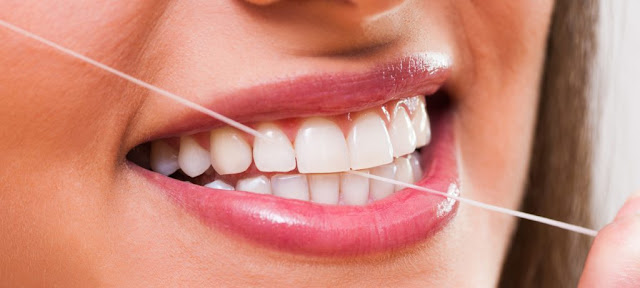
Flossing affects the health of our teeth, but also our overall health and well-being. Yet it’s common to lie to the dentist about how often we floss and to have it on our to-do list but rarely get around to it. Here are some reasons to make flossing part of your DAILY health care. 

1. Incorporate Flossing into Your Daily Routine

If you’re not in the habit of flossing, starting can seem challenging. However, it’s a simple routine that, once adopted, takes only a few minutes out of your day. We recommend flossing at least every 24 hours preferably before bedtime, to ensure that no food particles remain trapped between your teeth overnight.

2. Enhance Your Oral Health

While brushing your teeth is fantastic, there are areas it doesn’t effectively clean. When you use floss, it acts as a companion to your toothbrush, accessing the tight spaces between teeth. When you floss, you’re making your oral care doubly effective, ensuring that every nook and cranny of your mouth gets the attention it deserves.

3. Enhance The Appearance of Your Teeth

While flossing directly removes food particles and reduces bad breath, it also contributes to a brighter smile over time. By removing plaque, you prevent tartar buildup, which can discolor the area where the tooth meets the gum.

Stains can also develop over time between the teeth, especially for individuals who consume cola, coffee, tea, red wine, or tobacco. Flossing can significantly reduce the buildup of staining agents in these tight spaces. Over time, diligent flossers may notice their teeth feel cleaner and appear brighter and less stained.


4. Flossing affects your breath

Between your teeth are spaces where tiny particles of food can become trapped. If left undisturbed for more than 24 hours these particles start to decay and form plaque, a sticky layer of bacteria. These bacteria produce sulfur compounds as they digest food particles, leading to that unwanted odor. Flossing every 24 hours disturbs this bacterial activity, directly preventing bad breath.


5. Flossing Leads to a Healthy Heart

One of the lesser-known benefits of using floss is its positive impact on heart health. Research suggests that the bacteria causing inflammation in the gums can enter the bloodstream and lead to atherosclerosis, a condition where the arteries get clogged. Atherosclerosis can further lead to heart diseases. By using floss regularly, you’re taking care of your dental health and even making a proactive choice for your heart.

6. Boost Your Immune System

The mouth is one of the primary gateways to the body for harmful bacteria and germs. By using floss daily, you decrease the load on your immune system since it doesn’t have to continually fight off bacteria from the gums and teeth. In essence, by ensuring a clean mouth, you’re freeing up your immune system to deal with other potential threats, thus enhancing your overall health.

7. Reduce the Risk of Respiratory Diseases

There’s a connection between oral health and respiratory diseases. Bacteria in the mouth can travel to the lungs and cause infections or exasperate existing lung conditions. By maintaining a clean mouth through this at-home dental practice, the chances of these bacteria traveling to the lungs are reduced significantly.

8. Diabetics be extra careful

People with diabetes are more susceptible to gum disease. Brushing and using dental floss regularly is your best strategy to  maintaining gum health and is extra important for diabetics. 

9. Makes sense financially

Think of this hygienic practice as an investment. The few minutes you spend on using flossing before bed can save you considerable amounts in dental bills in the future. Besides, dental ailments can often lead to other health complications. This practice enables you to prevent these dental issues and potentially save on future medical bills.

10. Flossing Reinforces Good Habits for Your Family

When children observe adults in the household using dental floss regularly, it instills the importance of this habit in them. By making it a family activity, parents can ensure that their children grow up understanding the importance of comprehensive oral care, setting them on a path to prioritize their dental health.

This is an easy weekly challenge but one I hope you will continue for the rest of your life. For every day that you brush thoroughly twice daily and floss your teeth you can claim the daily bonus points. And I won’t require if for the points but if it has been more than 6 months since you visited your dentist I encourage you to make an appointment. 


Friday, February 21, 2025

Happy, positive, uplighting thoughts and words


Complaining Is Terrible for You, According to Science 


  • AN ARTICLE WRITTEN BY JESSICA STILLMAN ADDRESSES THE QUESTION WHY DO PEOPLE COMPLAIN? NOT TO TORTURE OTHERS WITH THEIR NEGATIVITY, SURELY. WHEN MOST OF US INDULGE IN A BIT OF A MOAN, THE IDEA IS TO “VENT.” BY GETTING OUR EMOTIONS OUT, WE REASON, WE’LL FEEL BETTER.


But science suggests there are a few serious flaws in that reasoning. One, not only does expressing negativity tend not to make us feel better, it’s also catching, making listeners feel worse.

OK, so complaining is bad for your mood and the mood of your friends and colleagues, but that’s not all that’s wrong with frequent negativity. Apparently, it’s also bad for your brain and your health. Yes, really.

On Psych Pedia, Steven Parton, an author and student of human nature, explains how complaining not only alters your brain for the worse but also has serious negative repercussions for your mental health. In fact, he goes so far as to say complaining can literally kill you. Here are a few of his findings:

1. “Synapses that fire together wire together.”

This is one of the first lessons neuroscience students learn, according to Parton. “Throughout your brain there is a collection of synapses separated by empty space called the synaptic cleft. Whenever you have a thought, one synapse shoots a chemical across the cleft to another synapse, thus building a bridge over which an electric signal can cross, carrying along its charge the relevant information you’re thinking about,” Parton explains.

“Here’s the kicker,” he continues. “Every time this electrical charge is triggered, the synapses grow closer together in order to decrease the distance the electrical charge has to cross…. The brain is rewiring its own circuitry, physically changing itself, to make it easier and more likely that the proper synapses will share the chemical link and thus spark together–in essence, making it easier for the thought to trigger.”    

So let’s boil that down–having a thought makes it easier for you to have that thought again. That’s not good news for the perpetually gloomy (though happily, it seems gratitude, can work the opposite way, building up your positivity muscles). It gets worse, too. Not only do repeated negative thoughts make it easier to think yet more negative thoughts, they also make it more likely that negative thoughts will occur to you just randomly walking down the street. (Another way to put this is that being consistently negative starts to push your personality towards the negative).

Parton explains how these closer synapses result in a generally more pessimistic outlook: “Through repetition of thought, you’ve brought the pair of synapses that represent your [negative] proclivities closer and closer together, and when the moment arises for you to form a thought…the thought that wins is the one that has less distance to travel, the one that will create a bridge between synapses fastest.” Gloom soon outraces positivity.

2. You are whom you hang out with.

Not only does hanging out with your own negative thoughts rewire your brain for negativity, hanging out with negative people does much the same. Why?

“When we see someone experiencing an emotion (be it anger, sadness, happiness, etc), our brain ‘tries out’ that same emotion to imagine what the other person is going through. And it does this by attempting to fire the same synapses in your own brain so that you can attempt to relate to the emotion you’re observing. This is basically empathy. It is how we get the mob mentality…. It is our shared bliss at music festivals,” Parton writes. “But it is also your night out with your friends who love love love to constantly complain.”

The takeaway lesson is, if you want to strengthen your capacity for positivity and weaken your reflex for gloom, “surround yourself with happy people who rewire your brain towards love.” 

3. Stress is terrible for your body, too.

All of which sounds like a good argument for staying away from negativity to protect your mental health, but Parton insists that quitting the complaining habit is essential for your physical health, too. “When your brain is firing off these synapses of anger, you’re weakening your immune system; you’re raising your blood pressure, increasing your risk of heart disease, obesity and diabetes, and a plethora of other negative ailments,” he says.

The culprit is the stress hormone cortisol. When you’re negative, you release it, and elevated levels of the stuff, “interfere with learning and memory, lower immune function and bone density, increase weight gain, blood pressure, cholesterol, heart disease…. The list goes on and on,” says Parton.

So our bonus challenge this week is to try are hardest to stop complaining. It would be awesome if you could go the entire week without complaining but if you give it a focused effort each day you can claim the weekly bonus points.